
Annealed, Low-E & Tempered Glass for Window Replacement
Not sure which glass your window needs? FixHomeGlass helps homeowners compare safety, energy performance and compatibility, then measures and installs a suitable replacement in Chicago suburbs.
9 OUT OF 10 CALLERS BECOME OUR CUSTOMERS
How These Glass Options Work Together
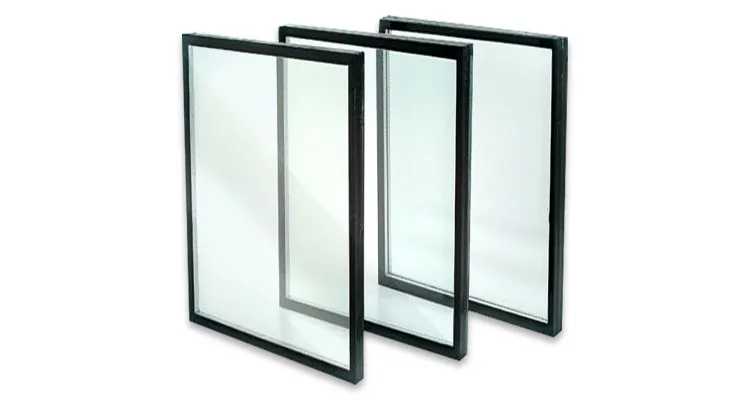
Annealed and tempered describe how glass is processed. Low-E describes a coating that helps control heat transfer. An insulated glass unit, or IGU, describes an assembly of two or more panes sealed together.
These features can be combined. For example, a replacement IGU may contain tempered Low-E glass. The right combination depends on the opening, safety requirements, existing frame and desired performance.
| Feature | What it describes | What to consider |
|---|---|---|
| Annealed | Glass that has not been heat-strengthened or tempered | Suitable only where the application permits it |
| Tempered | Heat-treated glass with a different strength and breakage pattern | Safety requirements and finished dimensions |
| Low-E | A coating that helps control heat transfer | Coating specifications, appearance and compatibility |
| IGU | Two or more panes assembled into a sealed unit | Overall thickness, glazing construction and frame fit |
Insulated Glass Units — IGUs
An insulated glass unit consists of two or more panes separated by a spacer and sealed around the edges. It may include Low-E coatings, an insulating gas fill and safety glass where required.
Advantages
A suitable IGU can reduce heat transfer through the glazing compared with basic single glass. Performance depends on the panes, coatings, spacer, gas fill and the surrounding window.
Limitations
A failed edge seal can allow moisture between the panes. Replacing the sealed unit does not automatically correct drafts, frame problems or condensation on exposed glass surfaces. Sound reduction also depends on the specific glass construction.
Typical Applications
Compatible residential windows and patio doors designed to accept insulated glass units. Dimensions, overall thickness and safety specifications must be checked before ordering.
Annealed Glass
Annealed glass is glass that has been cooled in a controlled process and has not been heat-strengthened or tempered. It can be used in suitable window applications where safety glazing is not required.
Advantages
It offers clear visibility and can be cut and processed before installation. Depending on the application, it may be used as a single pane or as part of an insulated glass unit.
Limitations
It breaks into sharp shards and is not a substitute for required safety glazing. Suitability depends on the opening and application, not simply on whether a window is fixed or positioned above floor level.
Typical Applications
Window glazing where the required specifications allow annealed glass.
Low-Emissivity Glass — Low-E
Low-E is a thin coating that helps control radiant heat transfer through glass. It can be used with different glass configurations, including compatible annealed or tempered panes in an insulated glass unit.

Advantages
A suitable coating can improve the glazing’s energy performance while maintaining useful daylight. Different products offer different balances of insulation, solar heat gain and visible light transmission.
Limitations
Low-E does not mean zero heat transfer, identical daylight transmission or guaranteed energy-bill savings. Appearance, performance and compatibility depend on the selected product and the complete window.
Typical Applications
Replacement glazing where the existing window can accommodate the specified coated glass unit.
Tempered Glass
Tempered glass is heat-treated to increase its strength and change how it breaks. It is commonly used in safety-glazing applications and can also be part of a Low-E insulated glass unit.
Advantages
When broken, it generally fragments into smaller pieces than annealed glass, reducing certain injury risks. Broken tempered glass can still cause injury and must be handled carefully.
Limitations
Tempered glass cannot be cut or drilled after tempering. Final dimensions and fabrication details must be confirmed before production. It is not unbreakable and does not provide burglary resistance by itself.
Typical Applications
Patio doors and other openings where the applicable glazing requirements call for an appropriate safety-glass specification.
How Much Does Replacement Window Glass Cost?
Standard residential glass replacement typically falls within the $300–$800 range when the existing frame and sash are suitable for reuse. Larger, specialty or more complex glass replacement projects may fall within the $500–$1,500 range.
These are broad project ranges, not separate fixed prices for annealed, Low-E and tempered glass. The features can be combined, and the final cost depends on dimensions, glass construction, safety specifications, access and installation requirements.
We inspect the opening, confirm compatible options and provide a project-specific estimate before ordering
Glass Replacement Discounts for Annealed, Low-E & Tempered Glass
Planning a window glass replacement? Ask about available savings for your project, including compatible Low-E and safety-glass options.
Glass Options Used in Our Recent Projects
See how different glass specifications were used in completed residential replacement projects. The appropriate choice depends on the opening, existing frame and project requirements.
Professional Home Window Glass Repair and Replacement Services Near You
For many years, FixHomeGlass has provided professional and efficient glass replacement services, committed to quality, reliability, and personalized customer care. Our skilled technicians use only proven, high-quality materials, such as insulated glass units from Cardinal IG Company, which offers a 20-year warranty on thermal seals.
Fixhomeglass Company is your best window glass repair service! If you are looking for home window glass repair service near me — you come to the right place. With tangible experience in the window glass replacement field we can find a solution for any window glass issue.
Glass Selection and Replacement for Your Existing Windows
FixHomeGlass helps homeowners in Chicago suburbs select compatible replacement glass for damaged or failed window units. We assess the opening, measure the glass, explain suitable specifications and provide an estimate before ordering and installation.
Our recommendations consider the existing frame, safety needs, appearance and expected glazing performance. Product availability and warranty terms are confirmed for the selected replacement.

Residential window glass installation
Professional window glass installation. Replacement glass selected to suit the opening, existing frame and application.

Emergency broken or cracked glass replacement
Fast response for urgent situations. We protect your security.

Patio door glass replacement
We do patio door glass replacement and handle large format glass with care and precision.
Get Help Choosing Your Replacement Glass
Send us photos of the window or door, the affected glass and any visible manufacturer markings. We’ll help identify suitable replacement options and arrange a project-specific estimate.
Hours of Operation:
- Monday-Friday: 8 am — 8 pm
- Saturday: 10 — 4 pm
- Sunday: Closed
Questions About Annealed, Low-E and Tempered Glass
What is the difference between annealed, tempered and Low-E glass?
Can glass be both tempered and Low-E?
Is insulated glass the same as tempered glass?
Which glass should I choose for a replacement window unit?
Does tempered glass eliminate the risk of injury?
Will Low-E glass make my rooms darker?
Will a new insulated glass unit stop all condensation and outside noise?
How much do the different glass options cost?
Can I keep my existing frame when choosing new glass?
Does the 20-year thermal seal warranty cover every type of glass?
Our partners: