

Quick Answer:
Modern glass, especially Low-E or coated glass, should be cleaned with plain water first, then with a mild non-abrasive detergent and a soft microfiber cloth or sponge. Avoid powdered cleaners, harsh chemicals, rough pads, and scraping tools because they can scratch the glass surface or damage special coatings. If the glass stays foggy or cloudy after cleaning both sides, the problem is likely inside the insulated glass unit, and the glass may need replacement.
While it might seem like an easy task cleaning the windows in your home, modern high-performance window glass requires special techniques to clean them properly without creating issues. If you have Low-E coatings or special surface treatments on your windows, it is critical to use the appropriate tools and materials when cleaning them since improper use can permanently scratch your window surface and affect the Low-E coatings performance for the handle of your investment.
The Golden Rules of Modern Glass Care
Whether you are performing summer window maintenance or a deep spring clean, the goal is to remove dirt without introducing abrasives.
- Rinse Before Scrubbing: Before applying a cleaning solution or detergent to the glass, first rinse it down with plain water to rinse off any loose dust and crumbs.
- Use Soft Materials Only: Only clean your glass with a soft material like a microfiber cloth or a soft sponge.
- Avoid Powdered Abrasives: Do not use powdered abrasives on your windows, as they will scratch the windows and damage the Low-E coating.
- Say No to Harsh Chemicals: Harsh chemical cleaners could damage the surface of your windows and the way your windows will look for many years to come.
- Mind the Weather: Do not wash your windows when it is windy or raining heavily, as the dirt you are trying to wash off can land back on your wet glass panels.
Step-by-Step: Professional Procedures
A thorough window glass inspection often begins with a clean surface. Follow this process to maintain your Insulated Glass Units (IGU):
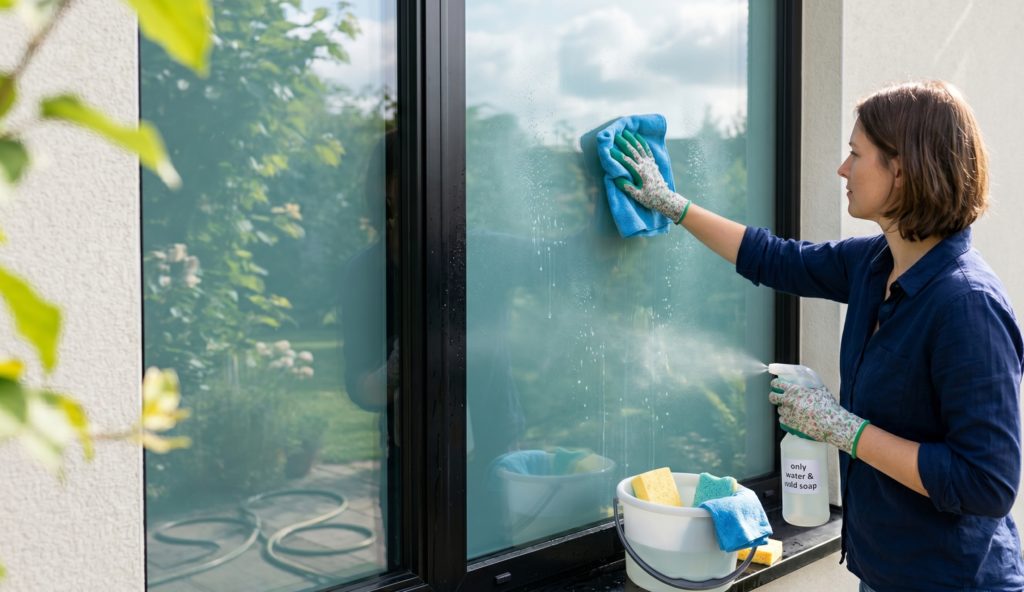
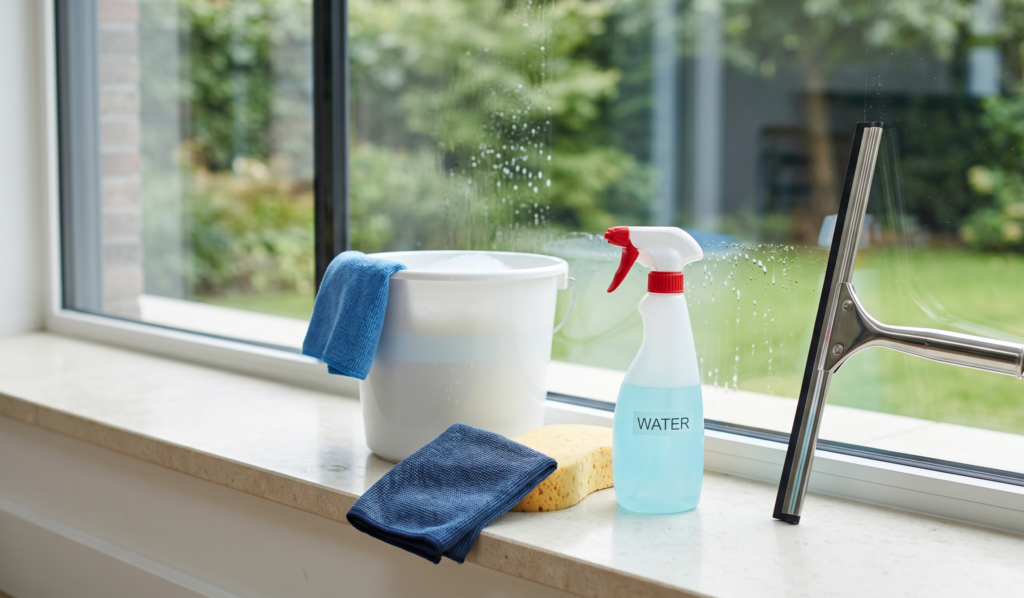
- Preparation: Start by preparing the surface with a spray bottle for the even distribution of your cleaning solution. First, rinse away loose dirt and dust with plain water before applying any detergent to avoid scratching the glass. You should avoid washing windows in strong wind or rain, as there is a high chance that the dirt will quickly return to the wet surface. A spray bottle allows you to apply precisely the right amount of product to the IGU without saturating the seals and creating heavy streaks.
- Application: Apply a moderate amount of non-aggressive detergent. The most appropriate method of applying the proper type of detergent is to utilize soft cloths (regardless of whether they are microfiber or sponge-type) to clean the surface of the glass gently, while at the same time being very careful so that you do not damage any ultra high-performance coatings on the glass. If done properly, you should maintain the glass surface’s clarity and not compromise the delicate metallic oxides used to manufacture the majority of jamble-style units that are manufactured today.
- The Squeegee Technique: Use a rubber squeegee for a streak-free finish. Utilize a rubber squeegee to achieve a professional, streak-free finish on the glass surface. For the best results, move the squeegee in a continuous motion to remove the cleaning solution and capture grime effectively. This method is the most efficient way to clear large panes of glass while ensuring no residue is left behind to attract new dust and it also allows you to dry the glass quickly.
- Detailing: Clean frames,sashes, sills, and especially the fittings and seals. Do not forget to check the other components around the window that need to be cleaned thoroughly! While detailing, do a visual inspection of the hardware, such as handles and hinges to ensure they move easily and are free of rust. Check the window for any condensation inside the double-glazed unit, which could indicate a faulty thermal seal. Finally, inspect the integrity of the frame and sashes for any cracks or gaps that might require professional repair to prevent heat loss.
Protecting Your Window Components
Windows are not just made of glass; they comprise multiple types of individual components. To ensure all of them are functioning, check for:
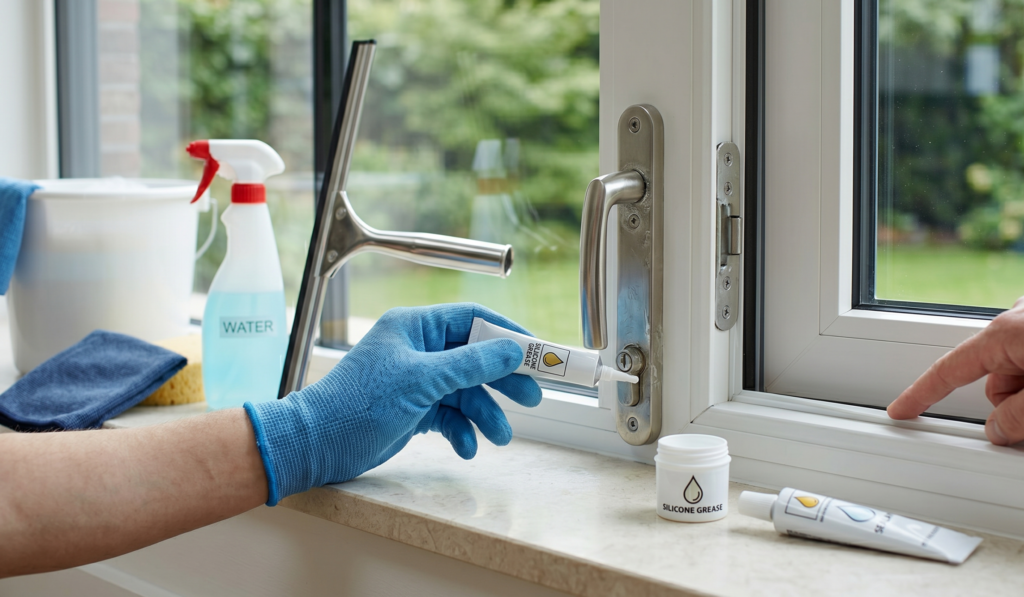
- Hardware: Inspect handles and hinges for rust. They should move easily and smoothly.
- Lubricate Once a Year: Get into the habit of using silicone grease on moving parts before the cold season.
- Inspect the Sealant: If you find cracked sealant after cleaning, it may need to be replaced with rubber or silicone alternatives to maintain your thermal seal.
When Cleaning Isn’t Enough
Sometimes, no amount of scrubbing will help. If you notice foggy or cloudy glass that remains blurry despite cleaning both sides, you are likely dealing with a failed seal. Moisture trapped inside the insulated glass unit is a sign that the thermal seal is compromised.
In these cases, FixHomeGlass specializes in glass replacement that preserves your existing frames. Our price structure is fixed providing you with the best solution to not only restore visual clarity but your home’s energy efficiency as well.
Final Thoughts
Regularly checking and cleaning your windows prevents minor issues from turning into major breakdowns. We use Cardinal Glass Industries units because they are designed for long-term durability and come with a 20-year warranty on thermal seals.
Is it time for a professional assessment? If you see cracks or signs of seal failure during your cleaning, don’t delay. FixHomeGlass offers a free in-home inspection to help you keep your home perfect.
Contact us today for a free assessment:
- Phone: +1 (630) 225-3105
- Email: fixhomeglass@gmail.com